Featured
Table of Contents
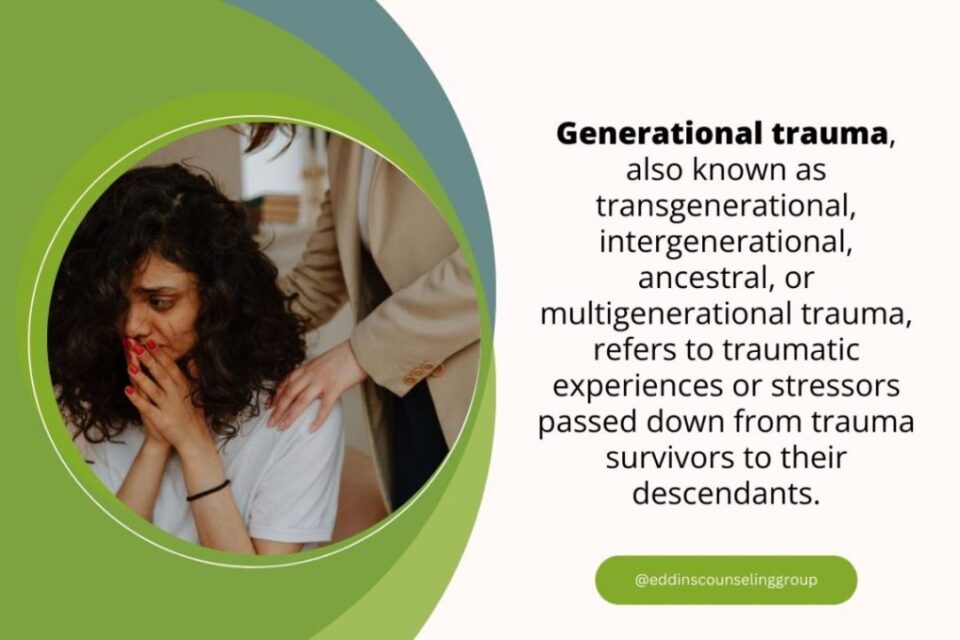
Among the important things the team participants located helpful, she remembers, was developing communication and boundary-setting skills that they might make use of with their family participants. The team yapped concerning exactly how to stay calm, handle their body language and keep an analytical (instead of criticizing) focus when having "endure dialogues" with household participants about habits and patterns that had been adopted as a result of generational trauma, she says.
This customer's need not to pass on her injury reactions to her youngsters, along with her stress and anxiety regarding being poor and violent, is what led her to look for therapy, Guyton adds. When the client began to discover her family background, consisting of the stress her grandma faced as she emigrated from her Caribbean homeland to the United States, she realized "I need to talk with her," Guyton remembers.
Processing Migration Trauma
Guyton after that prompted the client to speak to her grandma and share how she was feeling. The client responded by stating, "I see you, Granny.
Considering that we have some differences in our identifications, what challenges might we have in working together?" Goodman prompts counselors to broach this subject not just at the start of therapy work with a customer but likewise with normal check-ins throughout the relationship. "We [therapists] each need to determine for ourselves language that is authentic for us" to promote these conversations, she states.
"Privileged groups can still have generational trauma, also though it's not chatted regarding as much," she states. "Anybody that has experienced injury can pass it down.
Cultural Conflict and Emotional Consequences
The truth is that customers do not live in a vacuum cleaner; they can work towards healing separately in counseling however will ultimately return to live within their society and family members system, she keeps in mind."Generational injury is simply that a specific whose injury is bolstered within family and culture," Petion includes. With this customer population, experts should "think beyond the specific sitting in front of us" in counseling, she stresses, and focus on just how they are recovery in link to their household and area.
At the same time, therapists need to bear in mind that it might not be the client's role to "repair" or recover their household or area, Mike warns. "They may require to make tranquility with healing themselves without taking on whole systems," he says. Generational injury "can be a biological point, a psychological thing, a social thing.
Opinions revealed and statements made in articles appearing in Counseling Today do not always stand for the point of views of the editors or plans of the American Counseling Association.
It can really feel both defeating and validating to discover that the idea of generational trauma reverberates with you. On one hand, it can be calming to recognize that you're not "insane" or alone in this experience. On the other hand, you may not understand just how to relocate onward with this info.
How Mental Health Struggles Manifest Differently Across Cultures
There are bunches of wonderful resources around, including videos, social networks blog posts, and podcasts. Past on the internet material, I likewise encourage you to explore some generational injury books. It can be exceptionally verifying to hear from individuals with similar experiences, consisting of scientists with a deep understanding of these characteristics.
Session length is established on the specific customer demands. AEDP is commonly provided in outpatient therapy centers or personal practice settings.
Single or routine pairs treatment sessions can be integrated as needed to support the primary customer. Treatment tends to be lasting, with therapy period normally going beyond one year. IFS is a healing technique which sees the inner system as having subparts or subpersonalities, each with unique systems of being inside organized to ideal serve the setting an individual remains in.
Parental Separation and Its Effects
This self consists of an individual's staminas and skills which normally guides a person to a healthy and balanced life or healing. IFS' goal is to achieve balance within the internal system by: setting apart the self from other subparts, allowing the self to lead with subparts sustain, andallowing all subparts to exist with participating, non-extreme objective.
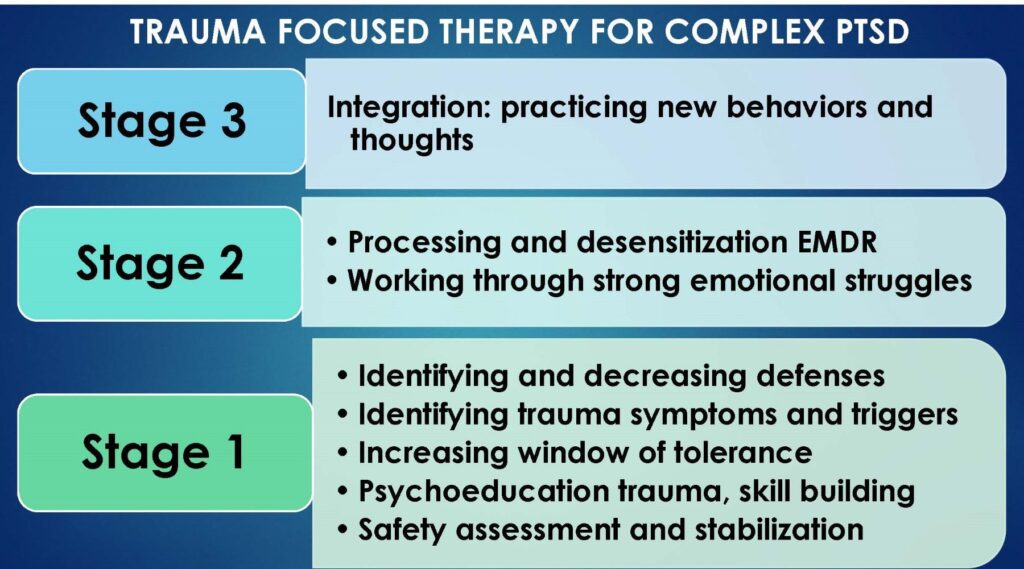
Because of its personalized nature, size of treatment is reliant upon the needs of the customer(s). IFS is usually helped with in an outpatient setting. Recognizing the particular difficulties experienced by adult survivors of complicated injury, STAIR/MPE is a two-phase therapeutic intervention concentrated on skill building and exposure-based therapy in the context of a compassionate and credible connection.
Customers are given with ability training to: enhance regulation capabilities, enhance distress resistance, andexplore brand-new approaches of involving with and associating with others, establishing the foundation for the 2nd phase of treatment. Phase two supports clients in further processing via stressful scenarios using a changed variation of prolonged direct exposure. With, clients are subjected to trauma-related memories to: increase awareness of the customer's affective and psychological experience, practice guideline skills, andprocess via difficult themes such as being rejected, shame, loss, and dishonesty.
Generational Anxiety and Depression
These experiences can leave durable signs well after the event mores than. In the situation of developing trauma, trauma which is generally relational and recurring overtime, an individual may not understand just how their previous experiences can be connected to a selection of symptoms. Difficulties with connection to others, a general sense of anxiety or dread, an overall feeling numb or sensation of not being totally active are some of the factors to check out trauma therapy.

Latest Posts
The Comprehensive Approach to Wellness
Why Trauma Work Works When Cognitive Approaches Doesn't
PTSD as a Nervous System Problem